
Construction and heavy industry face a sobering reality: between 600,000 and 750,000 people die globally each year from work-related causes. These are not abstract numbers; they represent preventable human tragedy.
Yet many serious risks remain hidden, not because of a lack of safety systems, but because those closest to the hazard feel unable to speak up.
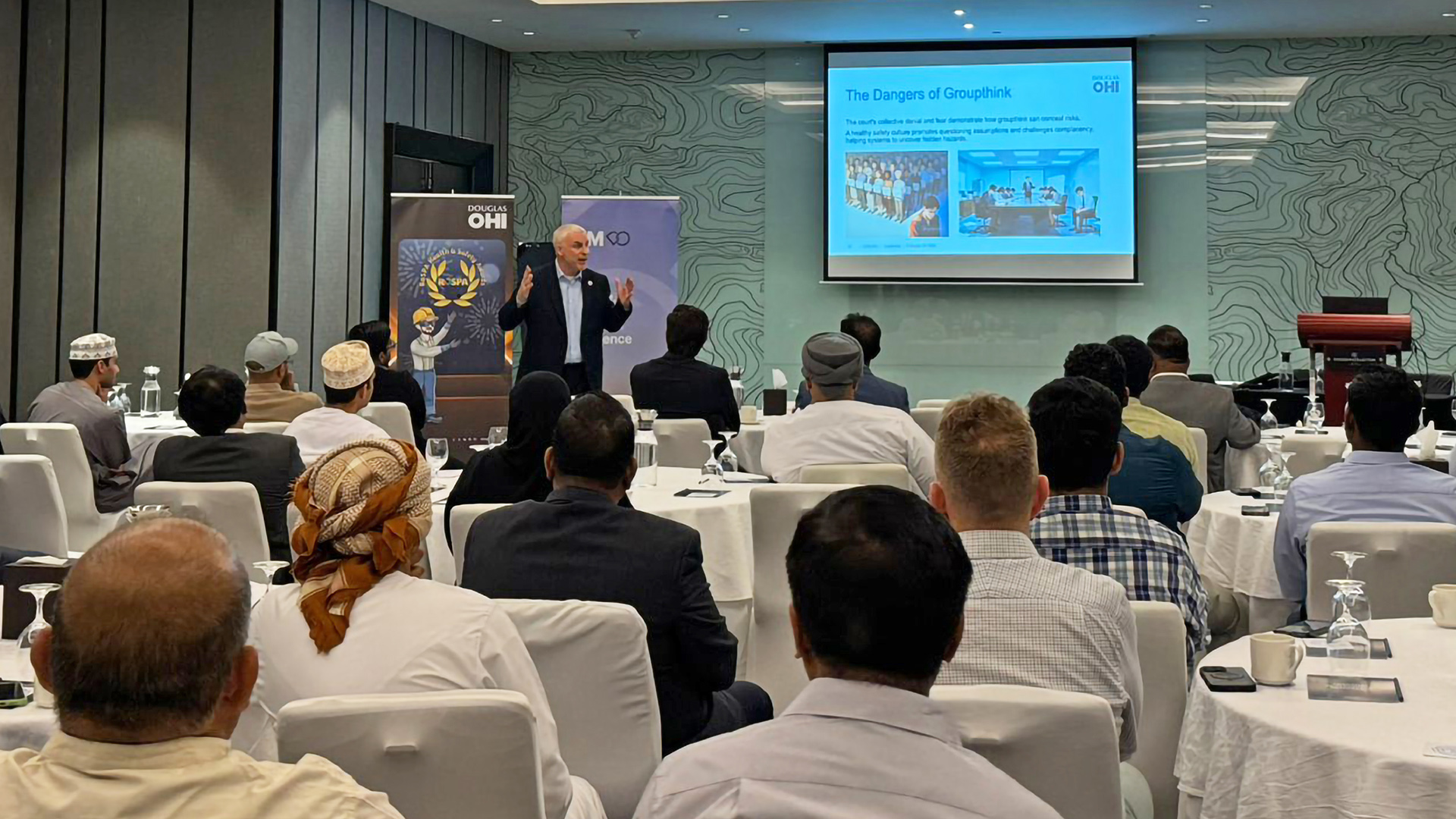
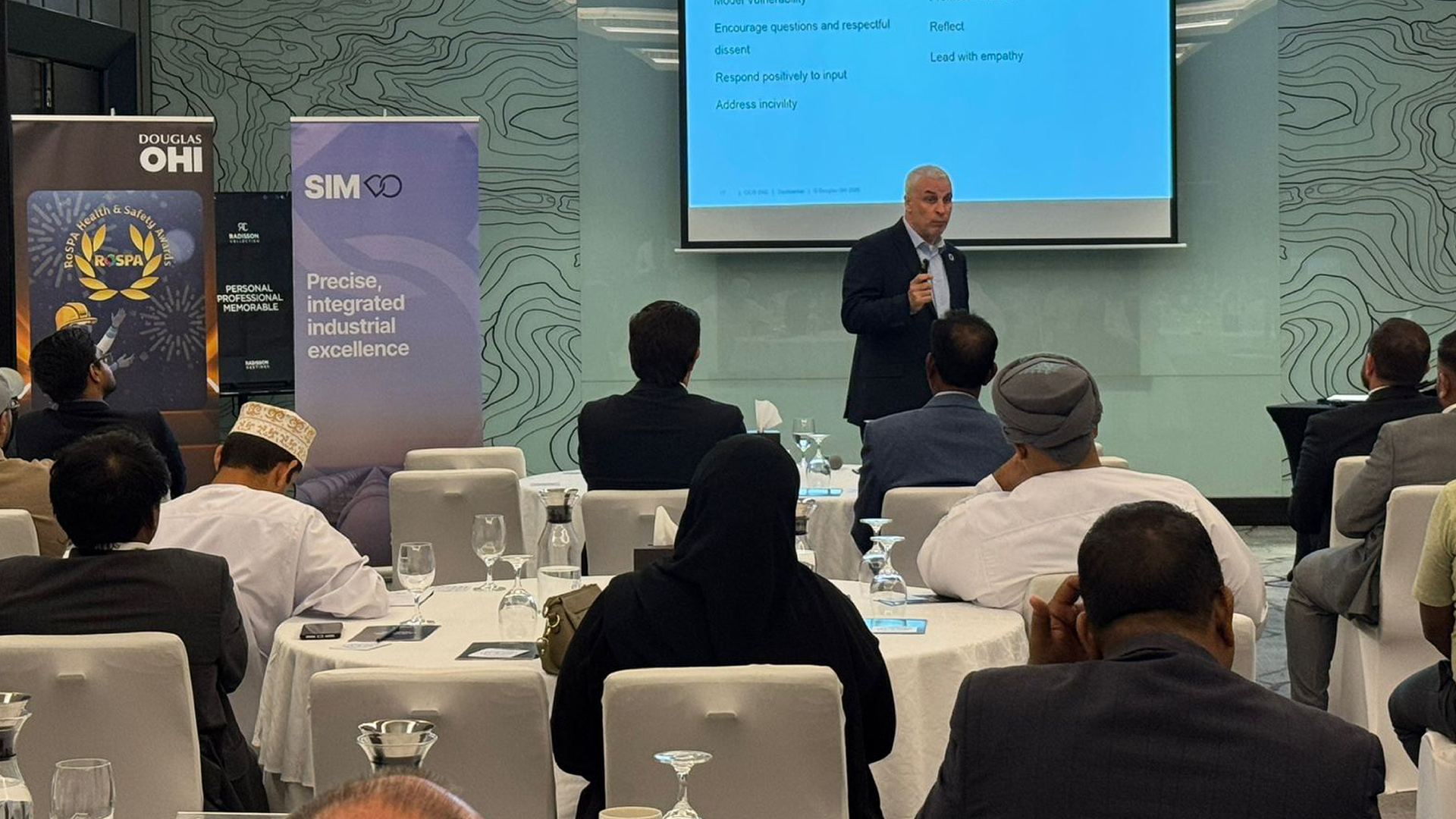
These insights were explored during a CIOB Continuing Professional Development (CPD) session led by Peter Baker, FIOL, Regional HSSE Manager at Douglas OHI, which focused on the critical role of psychological safety in construction and other high-risk industries. The session examined how leadership behaviours, culture, and everyday responses to concern directly influence whether risks are surfaced early or allowed to escalate.
Hans Christian Andersen’s The Emperor’s New Clothes provides a timeless lesson: when fear suppresses truth, invisible risks are normalised, and minor concerns can escalate into major incidents. In safety-critical industries, the “child” in the story is every team member who chooses to raise an honest concern despite pressure to stay silent.
Key Leadership Insights:
• Psychological Safety Matters: Technical controls are essential, but without a culture where people can speak up without fear, hazards remain exposed.
• Independent Voices are Vital: Audits, peer reviews, and protected reporting channels act as modern-day truth-tellers.
• Leaders Set the Tone: Actively seek bad news, thank those who raise concerns, and protect those who challenge the status quo.
• Encourage Constructive Dissent: Healthy cultures reward questioning and learning, preventing groupthink and blind spots.
• Practical Steps: Model vulnerability, promote inclusion, respond constructively to concerns, and recognise those who surface difficult truths.
Safety is not only about systems, but also about creating conditions where truth travels faster than fear. Leaders who prioritise candour and courage turn concern into early intervention, preventing small issues from becoming preventable tragedies.
The question for every safety leader:
“Have we created an environment where people feel safe enough to tell us when they are not?”
When the answer is yes, invisible risks are revealed, and real progress begins.

Copyright © 2026 Douglas OHI. All rights reserved.


