
Environmental stewardship is not only about managing the environmental impacts of major projects. It is also about creating a culture in which people understand, value and take responsibility for the natural environment around them.
At Douglas OHI’s operations in Saudi Arabia, a simple plantation and vegetable-growing initiative is helping bring that principle to life.
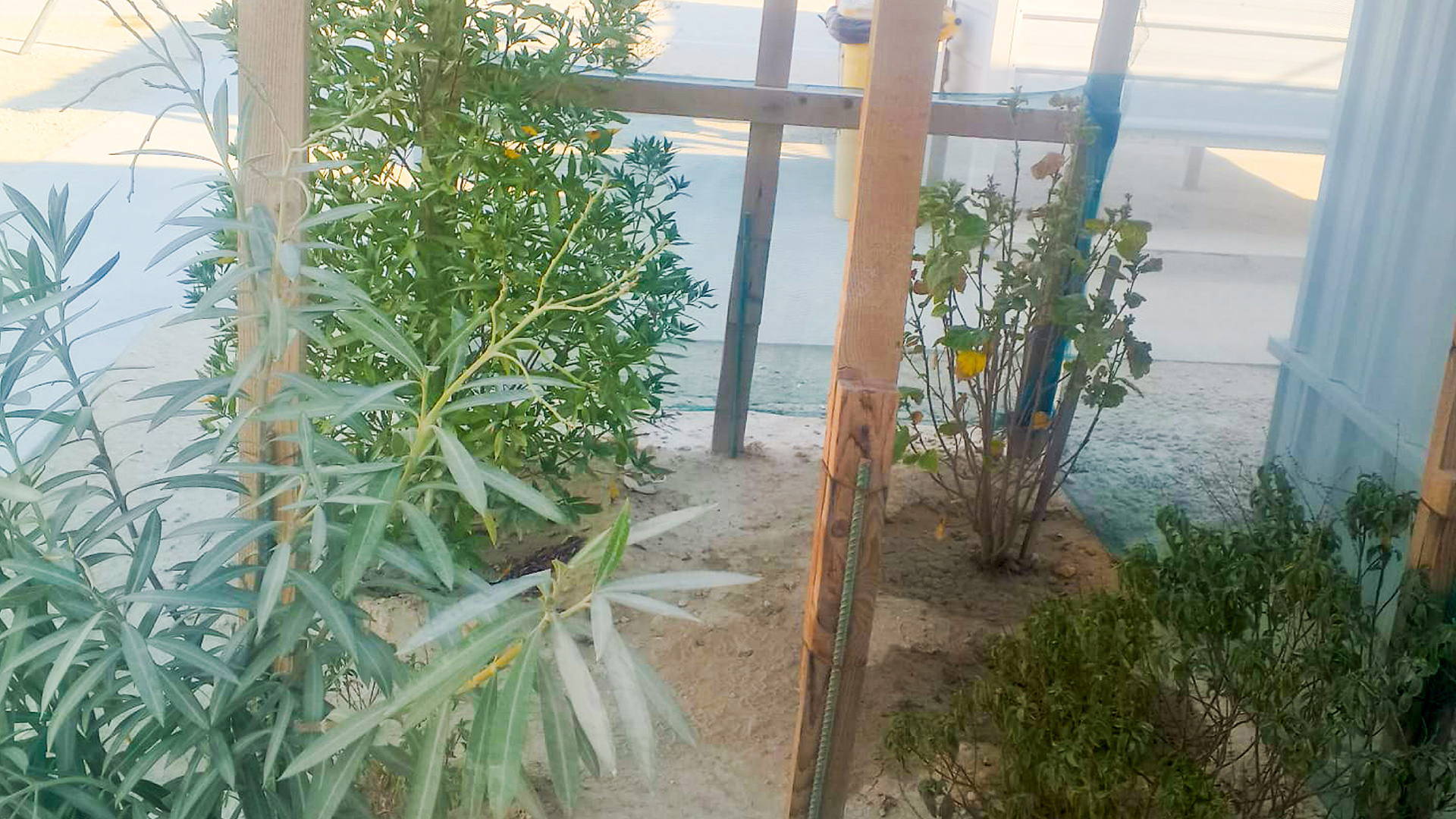
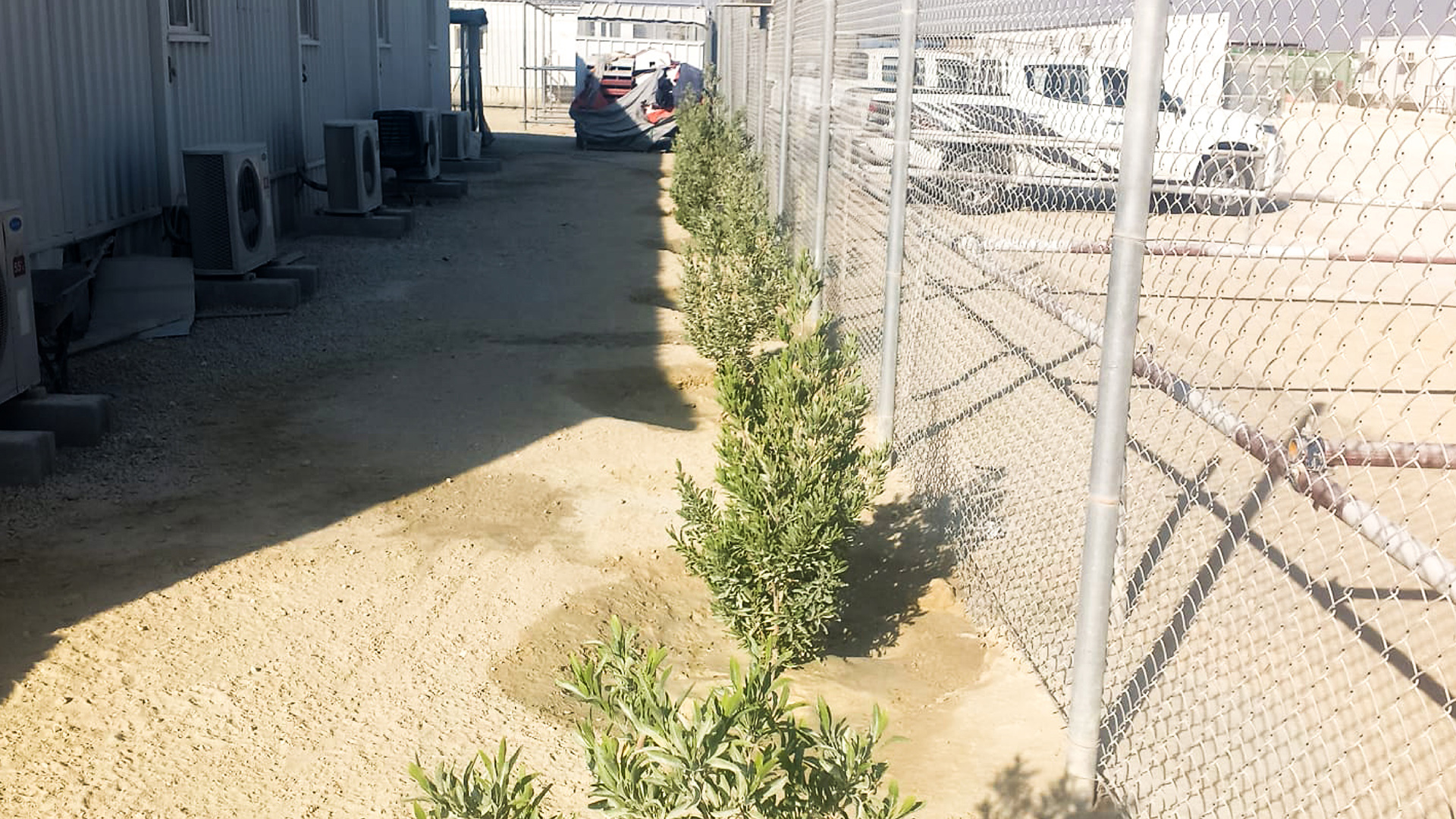
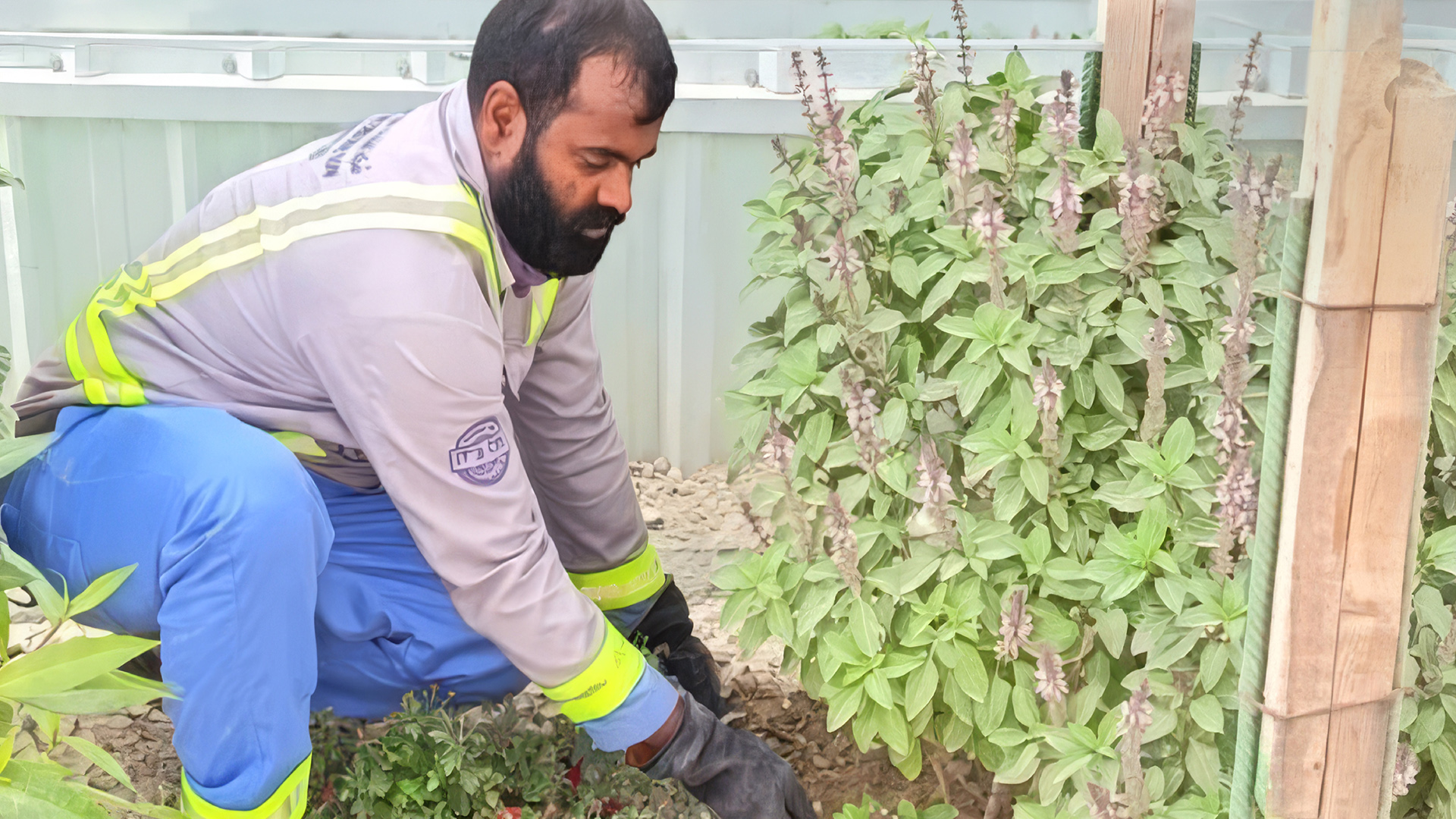
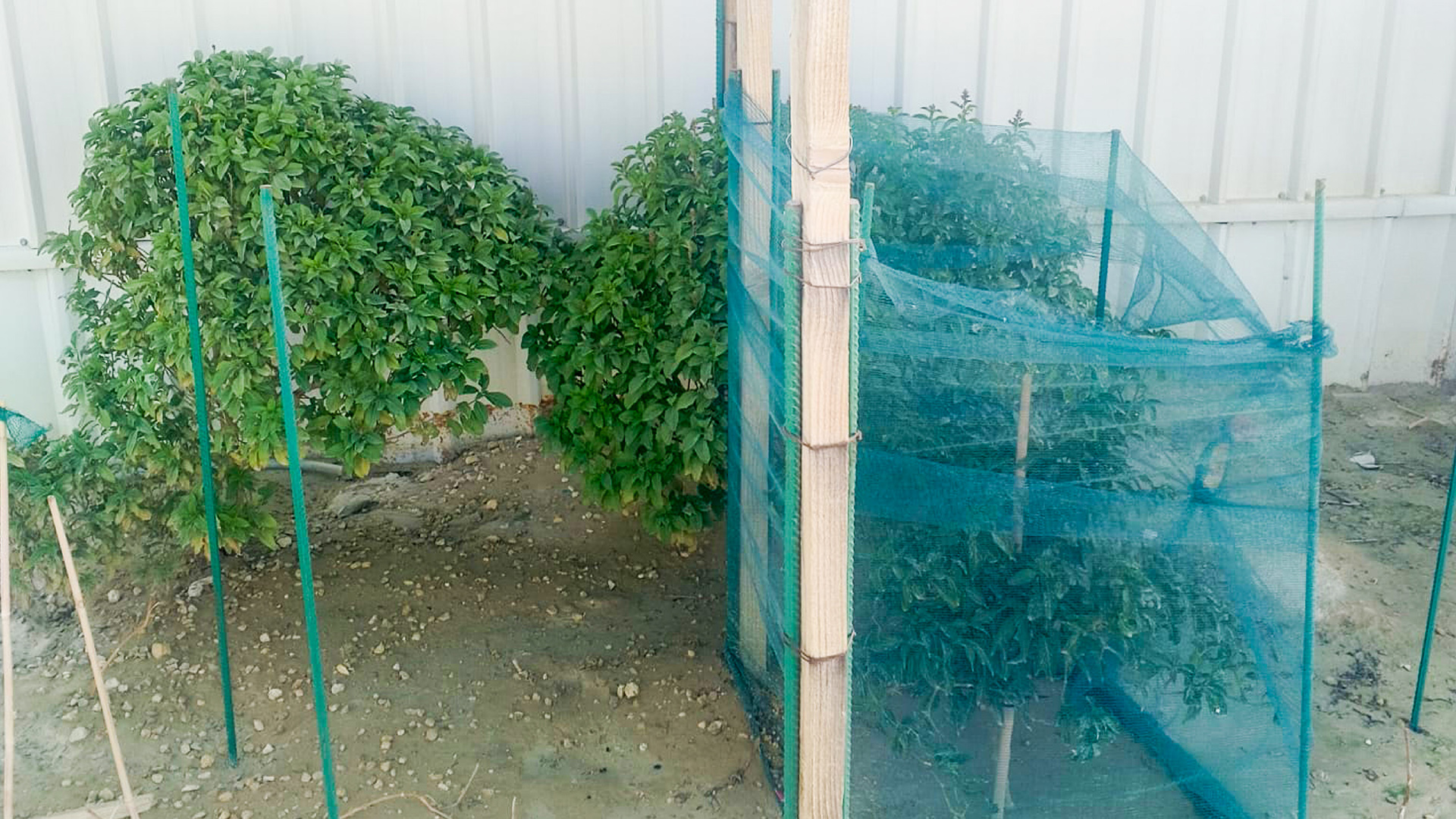
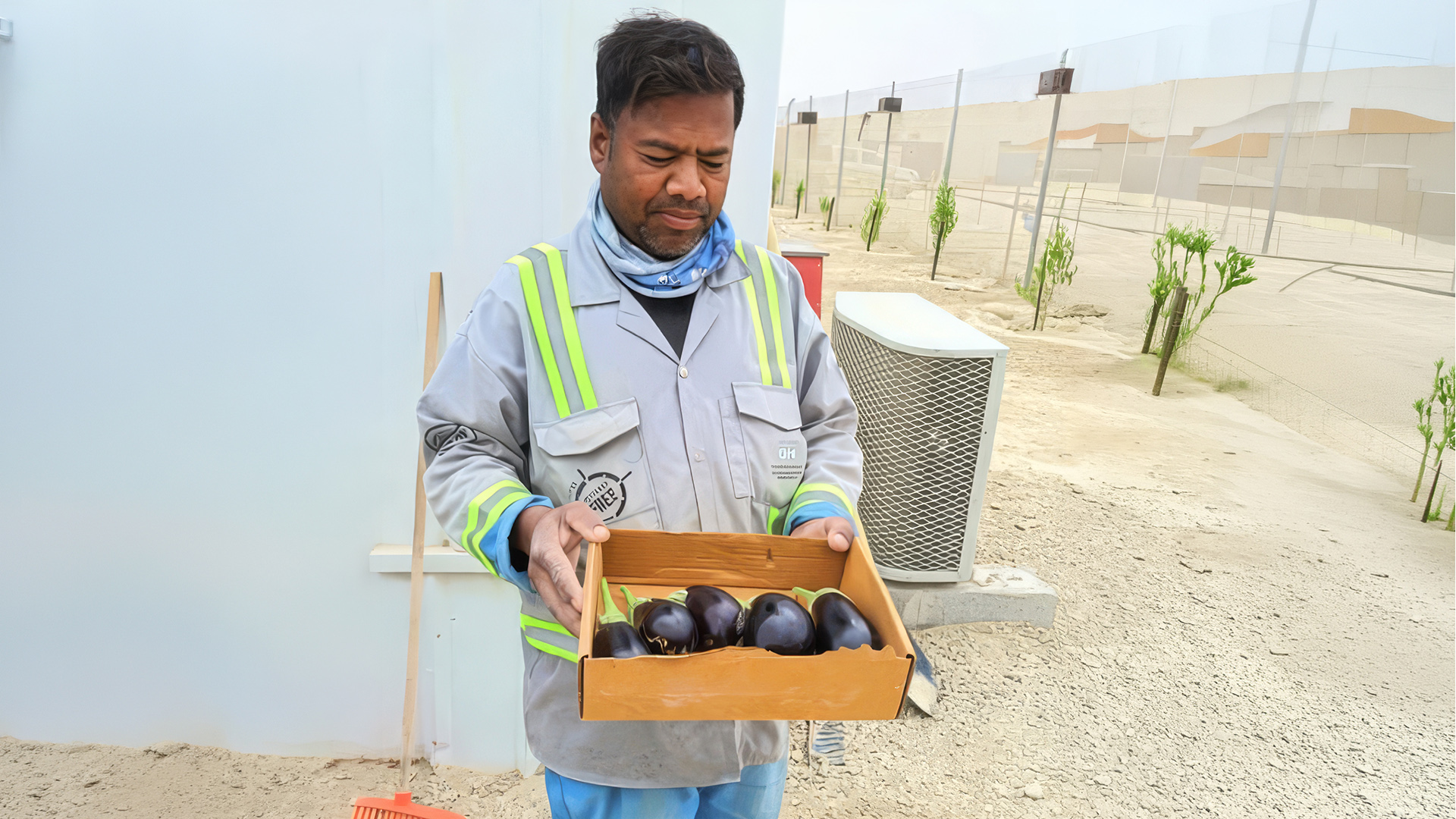
Within the office area, employees have been involved in planting and growing vegetables, including eggplant, introducing more greenery into the working environment while creating a practical opportunity to engage with sustainable practices.
Small initiative, broader purpose
The scale of an initiative does not always determine its value. In this case, the purpose extends beyond the vegetables being grown.
The initiative provides employees with a direct connection to the natural environment. Planting, caring for and watching vegetables grow creates a visible reminder that natural resources require care, time and responsible management.
This is at the heart of environmental stewardship: understanding that our surroundings are not simply resources to be used, but environments that we have a responsibility to respect and protect.
Making sustainability part of everyday behaviour
For sustainability to have a lasting impact, it needs to move beyond policies and campaigns and become part of everyday behaviour.
Practical activities such as planting and growing provide an accessible way for employees to participate. They create an opportunity to learn through action and to consider how relatively simple choices can contribute to more sustainable working environments.
For Douglas OHI, this supports a wider approach to environmental responsibility in which employees are encouraged to take ownership of the environments in which they work.
A practical connection to the UN Sustainable Development Goals
The initiative also provides a practical connection to several of the United Nations Sustainable Development Goals.
SDG 15: Life on Land is particularly relevant, with its focus on protecting, restoring and promoting the sustainable use of terrestrial ecosystems. While a workplace planting initiative is modest in scale, introducing and maintaining vegetation within the working environment reflects the broader principle of caring for and enhancing the environments in which we operate.
The initiative also connects with SDG 12: Responsible Consumption and Production, which calls for more sustainable patterns of consumption and production and the sustainable management and efficient use of natural resources. Growing food locally, even on a small scale, creates an opportunity to increase awareness of resources, food production and responsible consumption.
There is also a connection to SDG 2: Zero Hunger, particularly Target 2.4, which calls for sustainable food production systems and resilient agricultural practices that help maintain ecosystems and progressively improve land and soil quality. The initiative is not intended to address food security at scale, but it provides a simple, practical illustration of the principles behind sustainable food production.
From participation to stewardship
The most important outcome may therefore not be measured in the amount of vegetables produced.
It is measured in engagement.
When employees participate in planting and caring for the environment around them, sustainability becomes something tangible. It creates shared ownership and encourages people to think about environmental responsibility in practical terms.
This matters particularly within the construction and engineering environment, where responsible stewardship of natural resources and the environments in which projects operate is an important part of sustainable business.
Growing a culture that lasts
Environmental stewardship is built over time. It requires awareness, participation and a willingness to take responsibility for the impact of our actions.
The plantation and vegetable-growing initiative in Saudi Arabia is a small but meaningful example of this approach. It has introduced greenery into the workplace, encouraged employee participation and created a practical platform for environmental awareness.
Most importantly, it reinforces a simple idea: sustainability does not always start with a major intervention. It can start with people taking responsibility for the environment immediately around them.
A seed may be small, but the culture it helps grow can be much bigger.
For Douglas OHI, that is the value of environmental stewardship: turning sustainability from an idea into something people can see, participate in and carry forward into the way we work.

Copyright © 2026 Douglas OHI. All rights reserved.


