
In construction, waste is often viewed as an unavoidable consequence of activity. But a more sustainable approach starts by asking a different question: does material really need to become waste in the first place?
At Douglas OHI’s operations in Saudi Arabia, an initiative to reuse waste wood is demonstrating how a simple change in approach can turn discarded materials into useful resources.
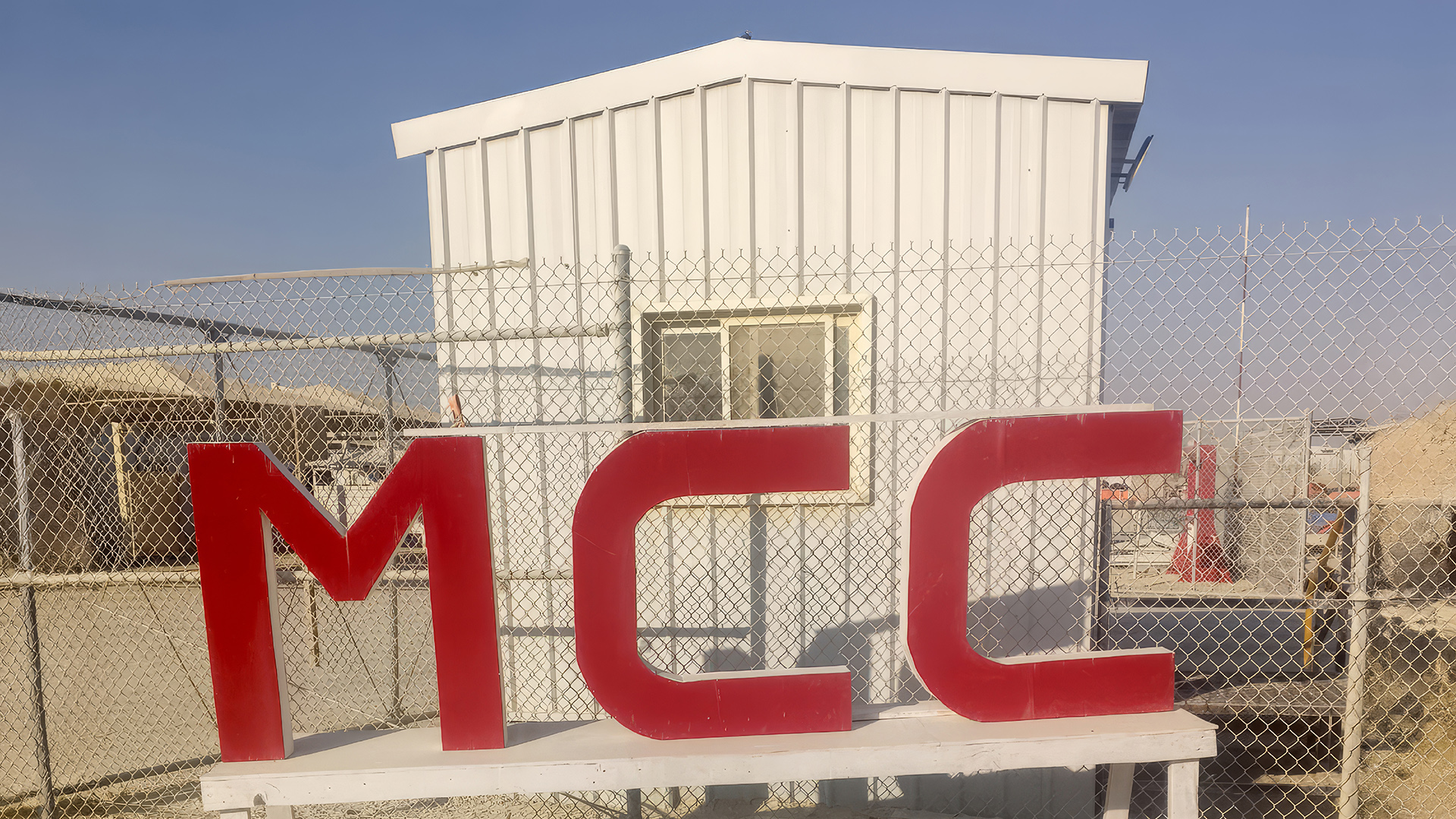
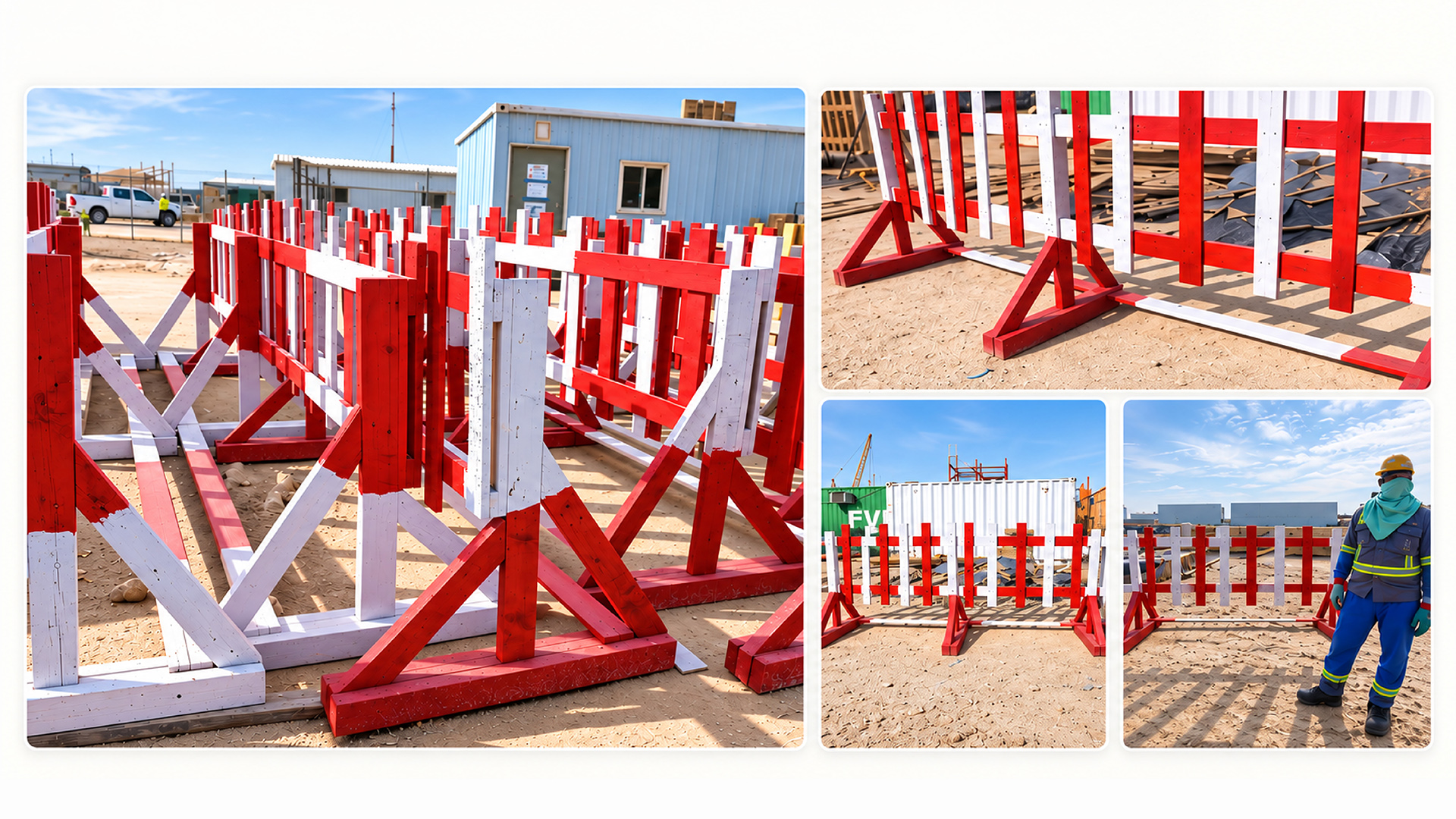
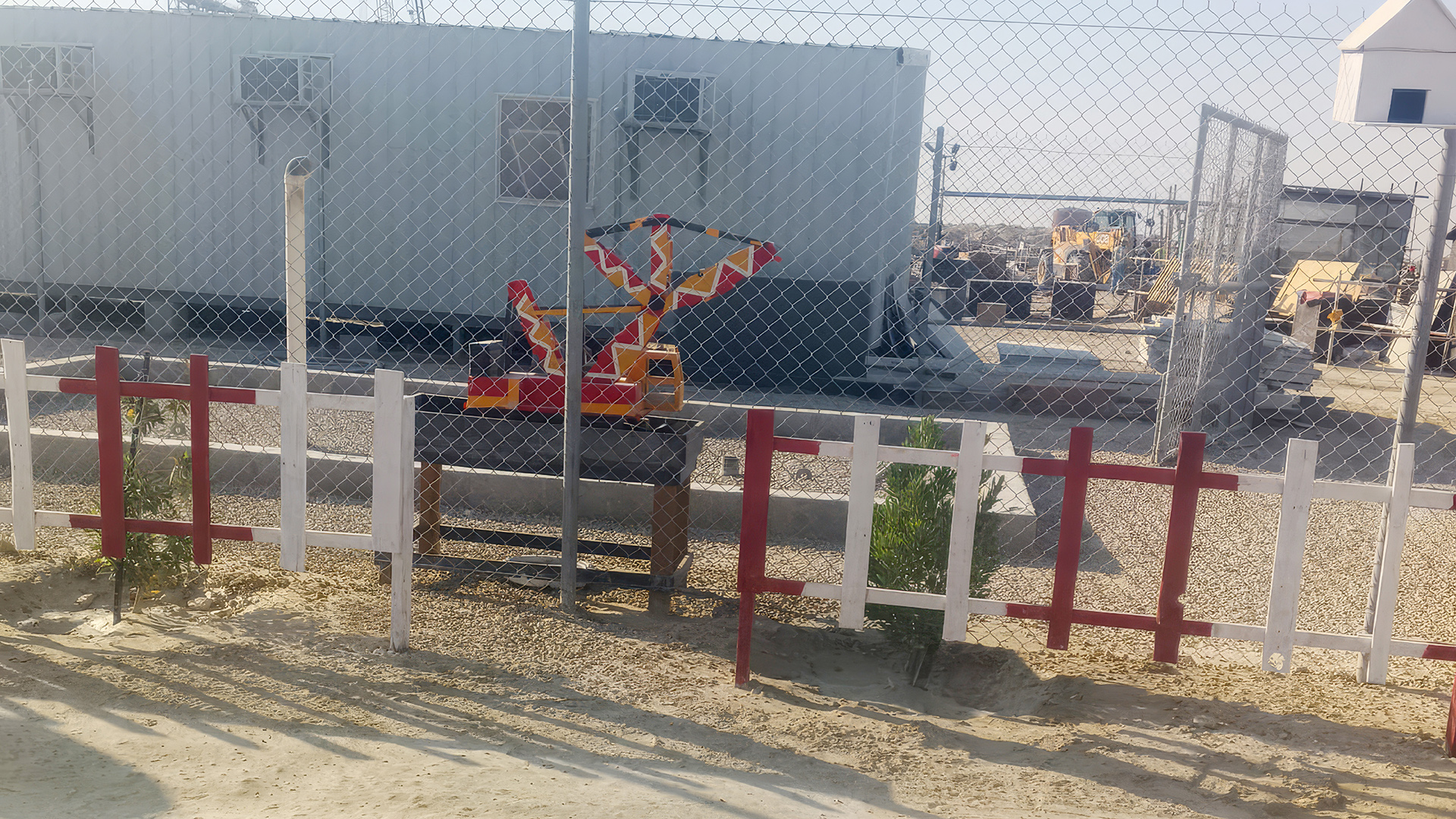
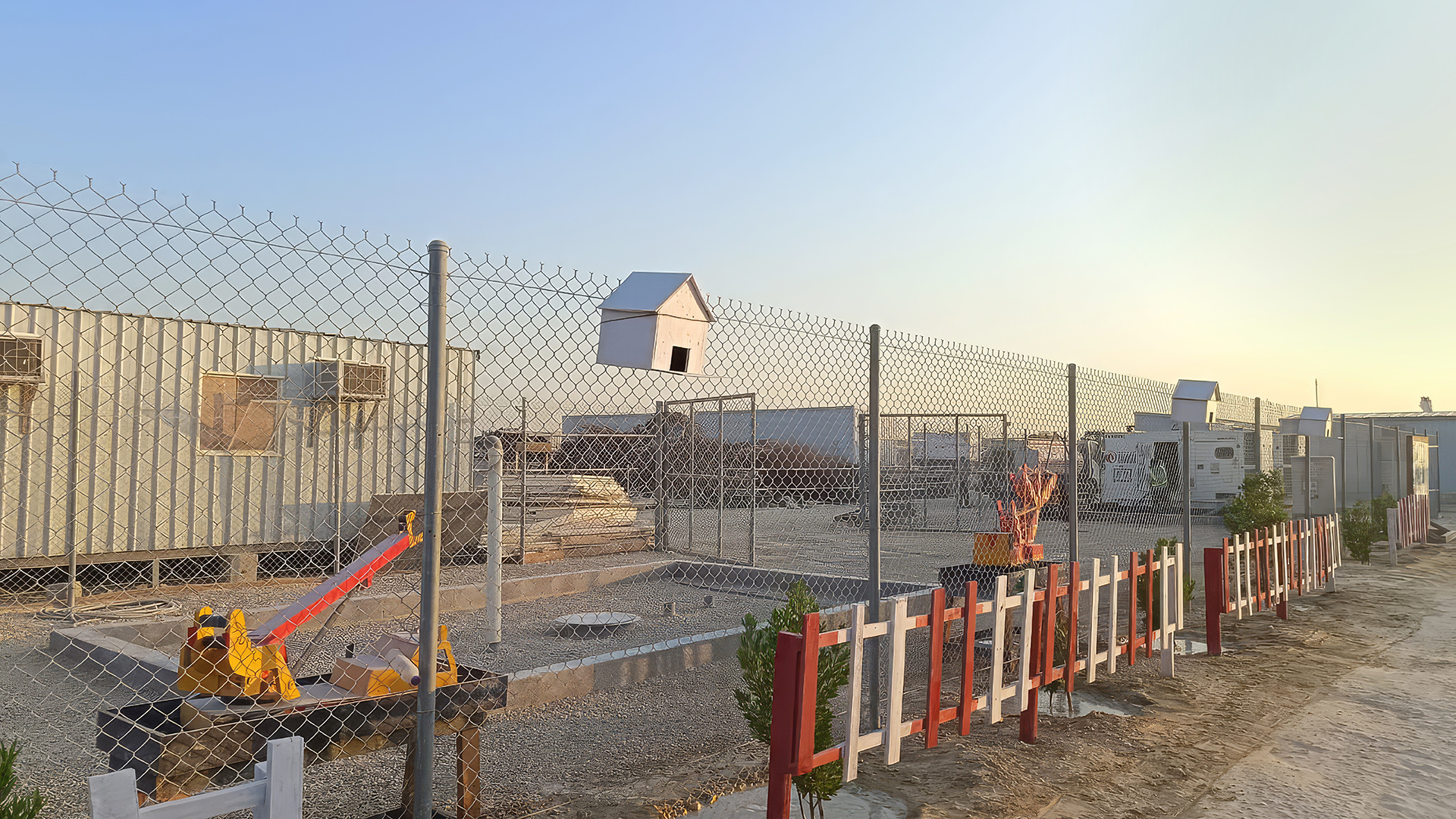
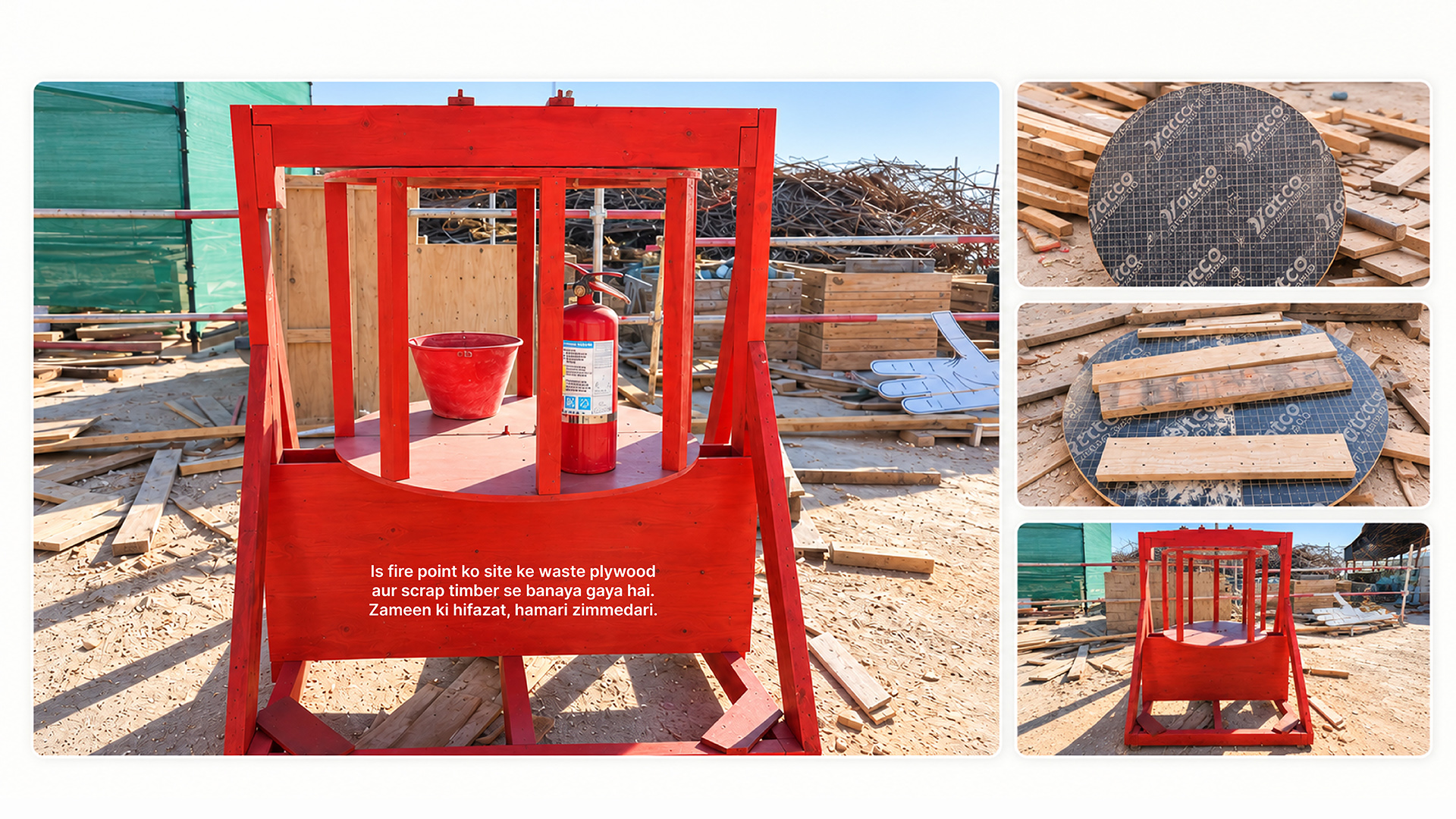
Rather than sending surplus wood directly for disposal, waste materials were repurposed to create practical items for the working environment, including wood barricading, fire points and bird houses.
The initiative is a practical example of moving beyond a traditional “use and dispose” model towards a more circular approach to materials.
From waste to resource
The construction sector uses significant quantities of materials, making resource efficiency an important part of responsible environmental management. Reducing waste is therefore not simply about what happens at the end of a material’s life. It is also about considering whether materials can remain useful for longer.
Reusing waste wood extends the material’s useful life and avoids the immediate need to dispose of it. In this case, materials that might otherwise have left the project as waste were given new functions within the working environment.
The principle is simple: before something is considered waste, consider whether it still has value.
This shift in mindset is at the heart of a circular economy, where materials are kept in use for as long as possible and waste is minimised through prevention, reduction, reuse and recycling.
A practical expression of SDG 12
The initiative has a particularly strong connection with United Nations Sustainable Development Goal 12: Responsible Consumption and Production.
SDG 12.2 calls for the sustainable management and efficient use of natural resources, while SDG 12.5 calls for a substantial reduction in waste generation through prevention, reduction, recycling and reuse.
The reuse of wood at the Saudi operation provides a practical example of these principles in action. It demonstrates that resource efficiency does not necessarily require complex technology or major investment. It can begin with identifying opportunities to retain value in materials that have already entered the project.
This is an important distinction. Waste management deals with what happens after waste is generated. Resource management asks whether we can avoid generating that waste in the first place.
That change in perspective can create opportunities for both environmental and operational improvement.
Beyond waste reduction
The initiative also illustrates how sustainability can generate secondary benefits.
The reused wood was not simply stored or repurposed for its own sake. It was transformed into functional items that support the working environment, including barricading and fire points. Bird houses also introduced a small but tangible biodiversity element, creating opportunities to support wildlife within the project environment.
This provides a broader connection to SDG 15: Life on Land, which focuses on protecting, restoring and promoting the sustainable use of terrestrial ecosystems and addressing biodiversity loss.
The bird houses should not be presented as a major biodiversity intervention. Their value is more practical and symbolic: they demonstrate how environmental thinking can extend beyond waste management to consider the wider natural environment in which projects operate.
Making circularity part of project culture
Perhaps the most important outcome of initiatives like this is the change in mindset they can encourage.
Circularity is sometimes associated with sophisticated recycling systems, new materials or major technological solutions. In reality, it can also begin with a much simpler question on a project site:
“What else could we use this for?”
That question encourages teams to look at materials differently. Instead of seeing surplus or discarded wood as something with no further value, they can consider whether it can be reused, adapted or repurposed.
This is where sustainability becomes part of operational culture rather than a separate environmental activity.
For a construction business, embedding this thinking into everyday project decisions can be particularly valuable. Every material reused represents an opportunity to reduce waste and maximise the value already contained within resources.
From individual initiative to wider opportunity
The wood reuse initiative in Saudi Arabia is modest in scale, but its underlying principle is significant.
It demonstrates that waste reduction can be practical, visible and achievable at project level. More importantly, it encourages a shift from thinking about waste as an inevitable output to thinking about materials as resources with potential for a longer life.
That is the broader opportunity for the construction industry.
The future of sustainable construction will not be defined only by how efficiently new materials are produced. It will also depend on how intelligently existing materials are used, reused and kept within productive cycles.
At Douglas OHI, initiatives such as this demonstrate how small changes in everyday project practices can contribute to a wider culture of resource stewardship and environmental responsibility.
The objective is not simply to produce less waste.
It is to recognise that what we call waste may still have value.
And sometimes, the most sustainable material is the one we already have.

Copyright © 2026 Douglas OHI. All rights reserved.


