
Environmental stewardship depends on more than procedures and equipment. It depends on people understanding environmental risks and knowing how to respond when they arise.
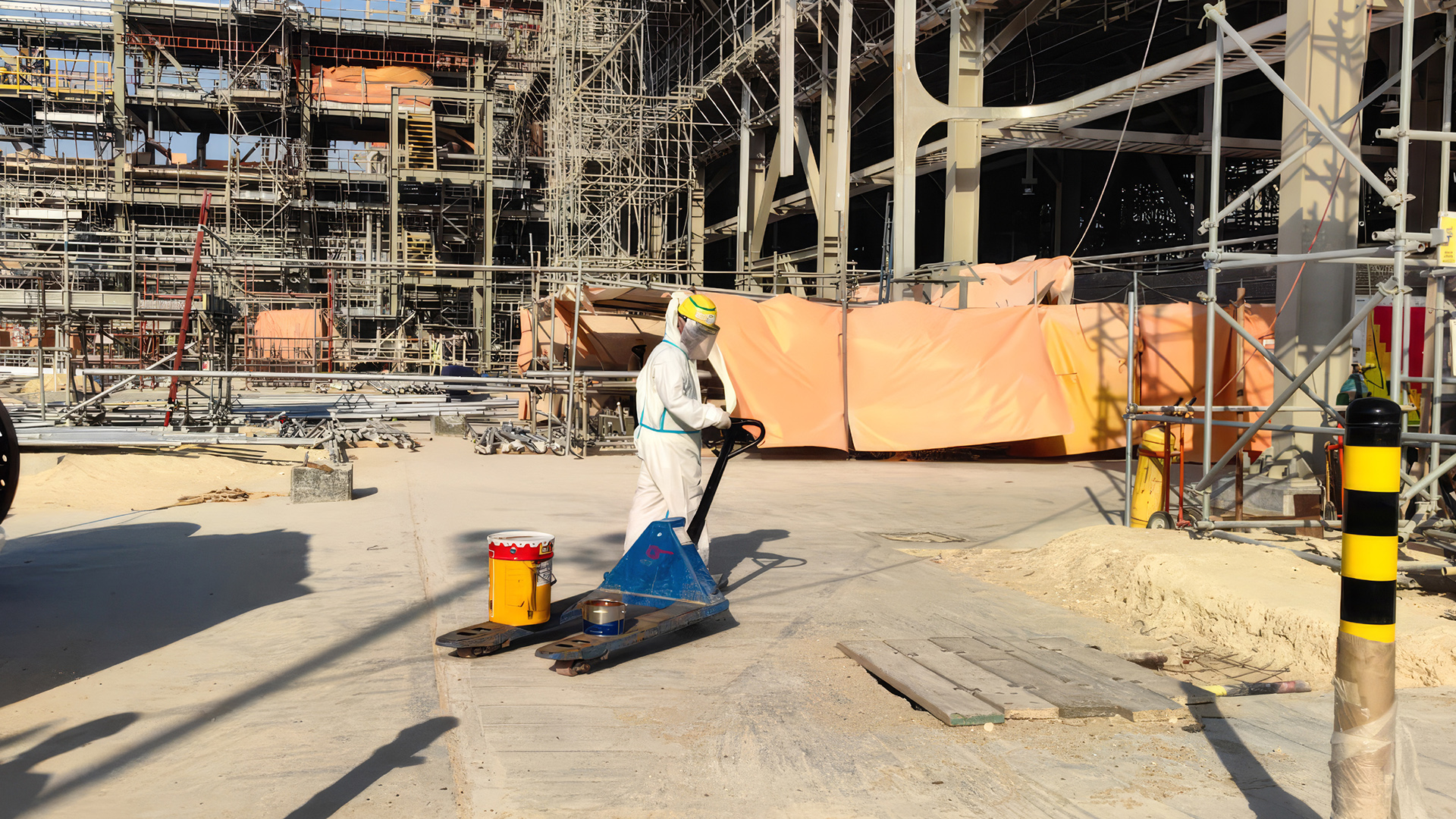
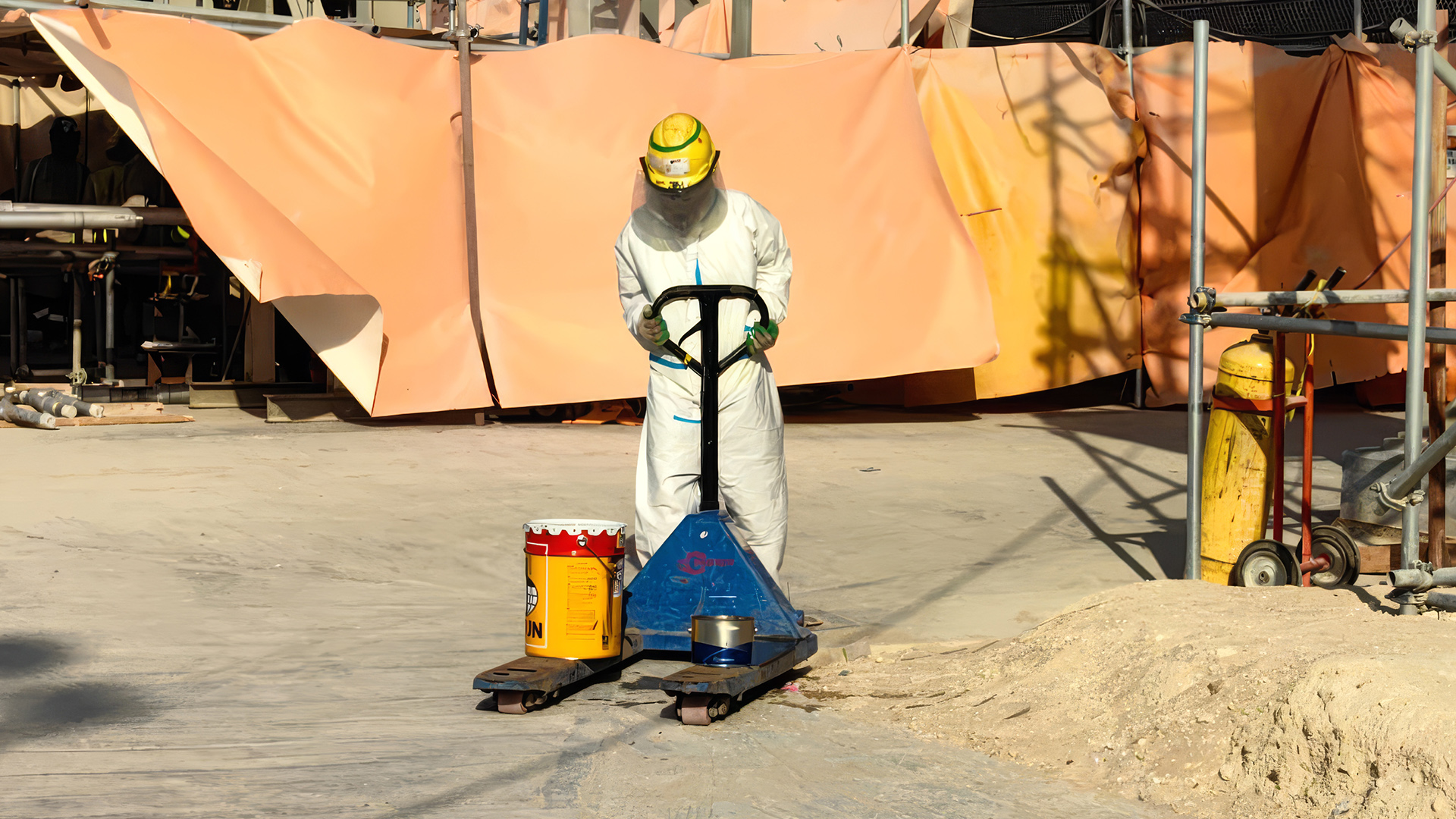
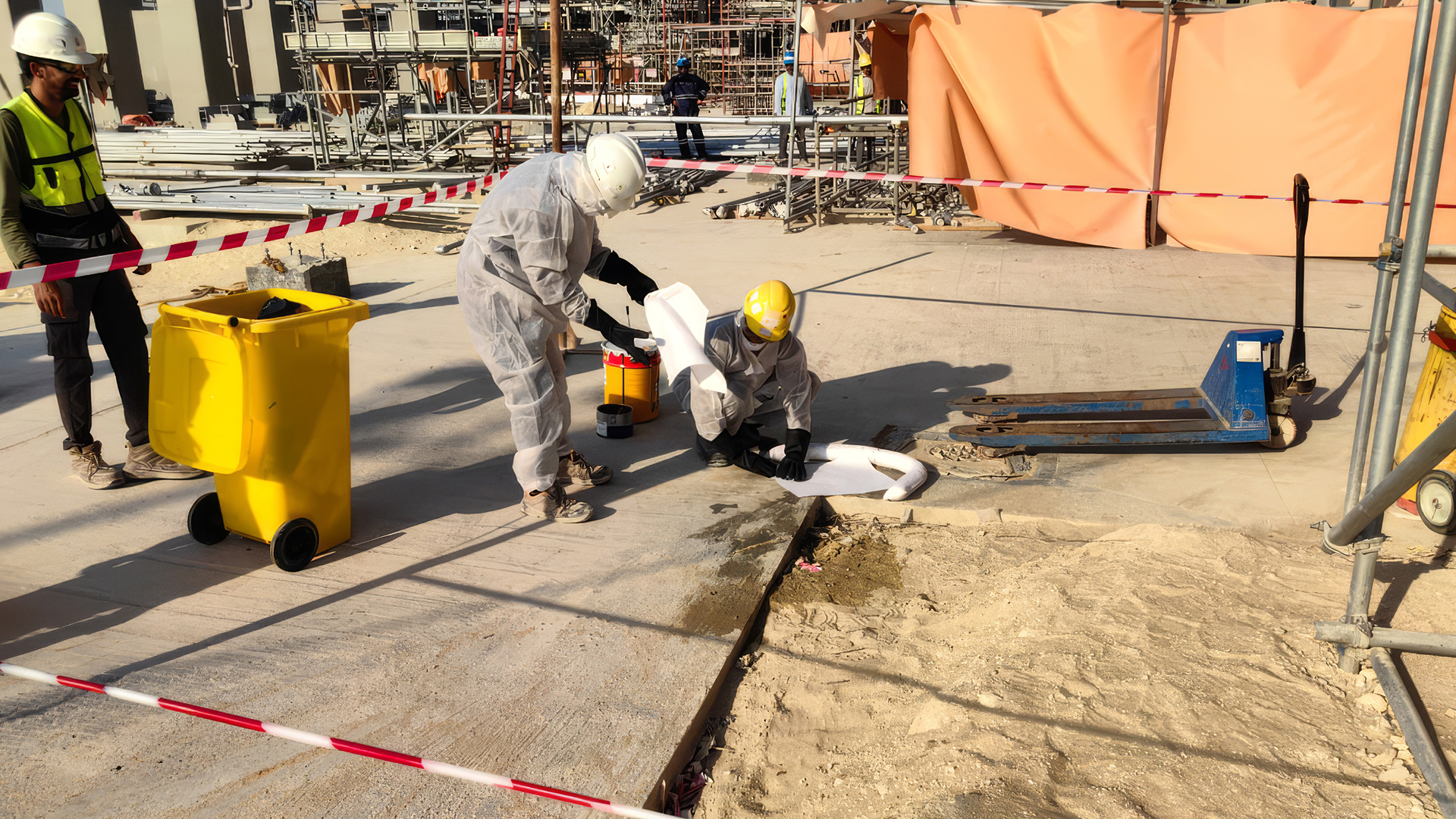
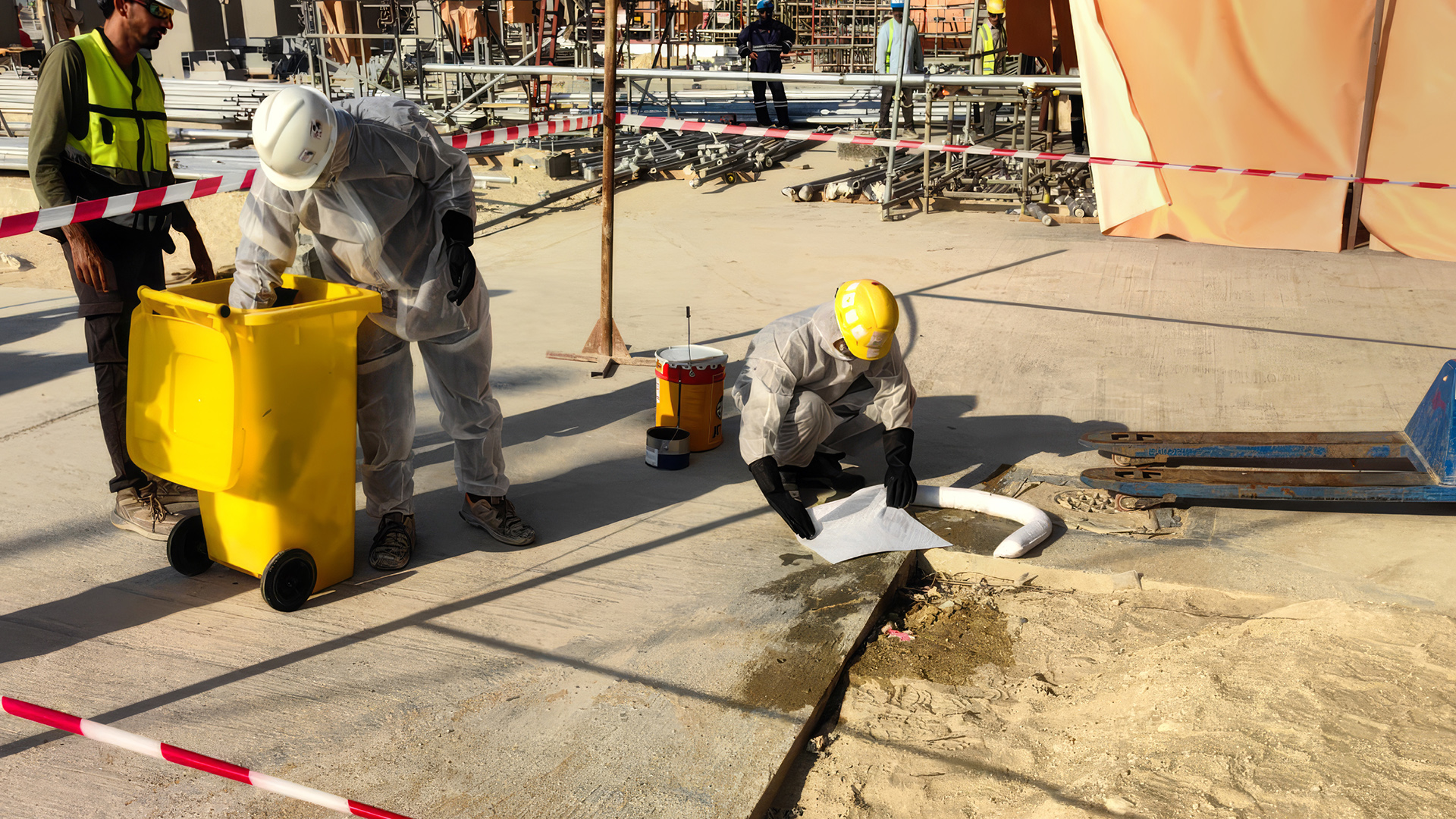
At a Douglas OHI project in Saudi Arabia, a spill response drill was conducted to simulate an emergency chemical or oil spill scenario and test the team’s response procedure. The exercise formed part of a wider approach to HSSE awareness, using practical training to reinforce knowledge, clarify responsibilities and give employees the confidence to respond effectively to an environmental incident.
This is where training plays an important role in sustainability. Environmental procedures only have value when the people responsible for implementing them understand what they mean and can apply them in practice. Spill response training helps bridge that gap, moving environmental management from written procedures into everyday capability.
The drill gave employees an opportunity to apply their knowledge in a realistic but controlled situation. It reinforced the actions required during a spill, tested communication and coordination, and provided a practical way to assess whether the response procedure could be implemented effectively.
The outcome was improved response readiness and verification of the effectiveness of the spill response procedure. Just as importantly, the exercise supported environmental awareness by making the potential consequences of a spill more tangible and demonstrating the role each individual can play in limiting its impact.
Learning as part of environmental stewardship
Education and awareness are increasingly important to responsible project delivery. Employees who understand the environmental risks associated with their activities are better positioned to recognise potential issues, follow controls and take appropriate action.
This means sustainability education does not have to be limited to formal environmental training. Toolbox talks, practical exercises, awareness campaigns and emergency drills can all contribute to building environmental knowledge and strengthening a culture in which responsibility is shared across the workforce.
Linking action to the UN Sustainable Development Goals
The initiative supports SDG 12: Responsible Consumption and Production by promoting responsible management of materials that can pose environmental risks. It also connects with SDG 6: Clean Water and Sanitation, as effective spill prevention and response can help reduce the risk of pollution reaching water resources.
The educational dimension also reflects the broader intent of the SDGs around building awareness and knowledge for sustainable development. Training is therefore not simply an HSSE requirement. It is an investment in the capability needed to deliver more responsible operations.
Beyond the SDGs
The longer-term value of initiatives like this is the capability they leave behind.
A well-trained workforce is better equipped to recognise environmental risks, understand the consequences of its actions and respond confidently when circumstances change. That strengthens not only environmental performance, but also operational resilience.
For Douglas OHI, this reinforces an important principle: sustainability is ultimately delivered by people. By combining procedures with education, practical training and regular testing, environmental responsibility becomes something employees understand and can act upon, rather than something that exists only within a policy or procedure.
The objective is not simply to be prepared for a spill. It is to build a workforce that understands its environmental responsibilities and has the knowledge and confidence to put them into practice.

Copyright © 2026 Douglas OHI. All rights reserved.


